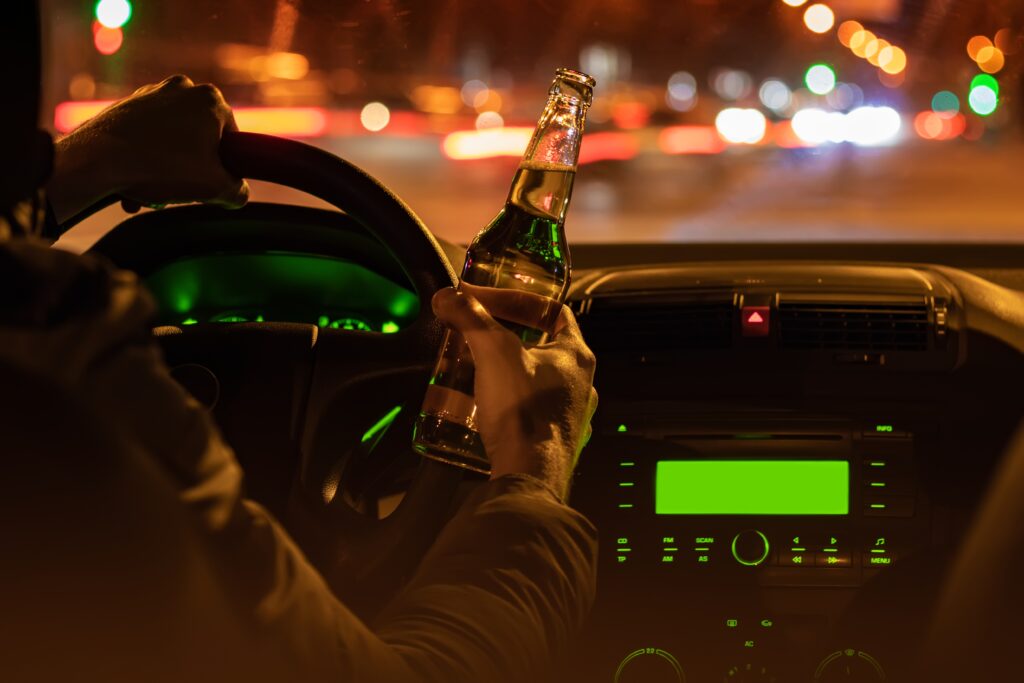
Open container violations may seem minor, but in Texas they can lead to fines, criminal consequences, and unwanted complications for both drivers and passengers. These laws are enforced statewide and apply in many common situations, including during traffic stops, road trips, or even when someone is simply sitting in a parked vehicle on a public roadway. Understanding how the law works can help you avoid an unexpected citation and protect your record.
Texas law on open containers has evolved over the years, and drivers often have questions about where the rule applies, when it started, and whether passengers or pedestrians can be charged. The criminal defense attorneys of Xavier Law Firm assists individuals facing open container violations by providing legal guidance and addressing the criminal consequences that may follow. If you are dealing with an open container charge in Texas, legal help can make the process much more manageable.
What Is Texas’s Open Container Law?
Texas’s open container law prohibits the possession of an open alcoholic beverage in the passenger area of a motor vehicle that is located on a public highway. This applies whether the car is being driven, stopped, or parked. An open container includes any bottle, can, or cup that has been opened, has a broken seal, or has had some of the contents removed.
The purpose of the law is to reduce impaired driving and minimize distractions or risks associated with alcohol consumption inside a vehicle. Even if the driver is sober, simply having an alcoholic beverage that has been opened inside the passenger area can lead to a citation.
When Did Texas’s Open Container Law Start?
Texas adopted its open container law in 2001 to comply with federal transportation guidelines and to strengthen statewide efforts to reduce impaired driving. Before the law was passed, open alcoholic beverages in vehicles were not uniformly regulated across the state. The adoption of the statute created a statewide standard, making enforcement more consistent.
The law has remained largely unchanged since its introduction, although courts and law enforcement agencies have clarified how it applies in specific situations. Drivers today are expected to know how the rule works and should take steps to avoid violating it, even unintentionally.
Where Does the Law Apply?
Texas’s open container law applies in many common scenarios involving vehicles. The key factor is whether the vehicle is located on a public highway or adjacent area such as the shoulder or right of way.
The law:
- Applies to any vehicle on a public highway, including cars, trucks, and recreational vehicles.
- Applies even if the vehicle is stopped or parked.
- Applies regardless of whether the driver or a passenger possesses the open container.
Penalties for Violating the Open Container Law
Although an open container citation is typically classified as a misdemeanor, it can still carry consequences that affect your criminal record, finances, and ability to maintain insurance. The penalties vary depending on the circumstances.
First Offense
For most first time offenders, possession of an open container in a motor vehicle is considered a Class C misdemeanor. Penalties may include:
- A fine of up to five hundred dollars
- A criminal citation that appears on your record
- Court fees and additional administrative costs
Even though a first offense does not usually result in jail time, the fine and record can still create long term challenges.
Repeat Offenses
Multiple open container violations can lead to more serious consequences. Drivers or passengers with prior alcohol related offenses may face increased penalties such as:
- Higher fines
- More intensive court involvement
- Potential impact on related offenses, such as DUI or public intoxication charges
Repeat violations can also influence how prosecutors handle future alcohol related cases, making the consequences more severe each time.
Exceptions to the Open Container Law
Texas law allows limited exceptions where alcoholic beverages may be present or consumed legally inside a vehicle.
The most common exceptions include:
- Living quarters of motorhomes and recreational vehicles
- Limousines and charter buses transporting paying customers
These exceptions recognize that certain vehicles function more like private or commercial spaces rather than typical passenger compartments. However, these exceptions do not extend to ride sharing vehicles, taxis, or personal vehicles carrying friends or family members.
Scenarios Where Open Container Violations Commonly Occur
Understanding where violations usually happen can help drivers and passengers avoid unintentional citations. Common scenarios include:
- A passenger drinking in the front or back seat during a road trip.
- A driver carrying leftover alcohol from a restaurant without properly sealing or storing it.
- A group of travelers sitting in a parked vehicle on the shoulder or in a public parking area.
- A passenger in a ride share or taxi, mistakenly assuming alcoholic beverages are allowed.
- An individual walking with an open alcoholic beverage near roads, which can lead to separate public intoxication concerns.
Many of these situations arise not because someone intended to violate the law, but because they did not know where the rule applies. Some drivers still believe that it is okay for a passenger to drink so long as they aren’t driving, but in the eyes of the law the attending police officer has no way to know for sure that the driver was not consuming the drink that the passenger claims is theirs.
How a Lawyer Can Help If You’re Charged
Open container citations may seem simple, but they can become more serious depending on the circumstances. A DUI defense attorney can help you understand your rights and identify ways to limit the impact on your record.
Xavier Law Firm assists individuals charged with open container violations by:
- Reviewing the specifics of the traffic stop or encounter
- Determining whether law enforcement acted properly and within legal limits
- Identifying whether exceptions apply, especially for motorhomes or commercial vehicles
- Helping clients understand the penalties and long term consequences
- Working to reduce or dismiss charges when possible
- Representing clients in court and explaining options for resolving the case
A lawyer can also provide guidance if the open container charge is connected to other allegations such as DUI, public intoxication, or possession offenses. Addressing the charge early can help prevent long term complications.
If you have been cited for an open container violation in Texas or are facing related criminal charges, Xavier Law Firm is ready to assist you. Contact us today at (281) 296-3741 to speak with one of our legal representatives. One of our attorneys will discuss your case and your options moving forward.