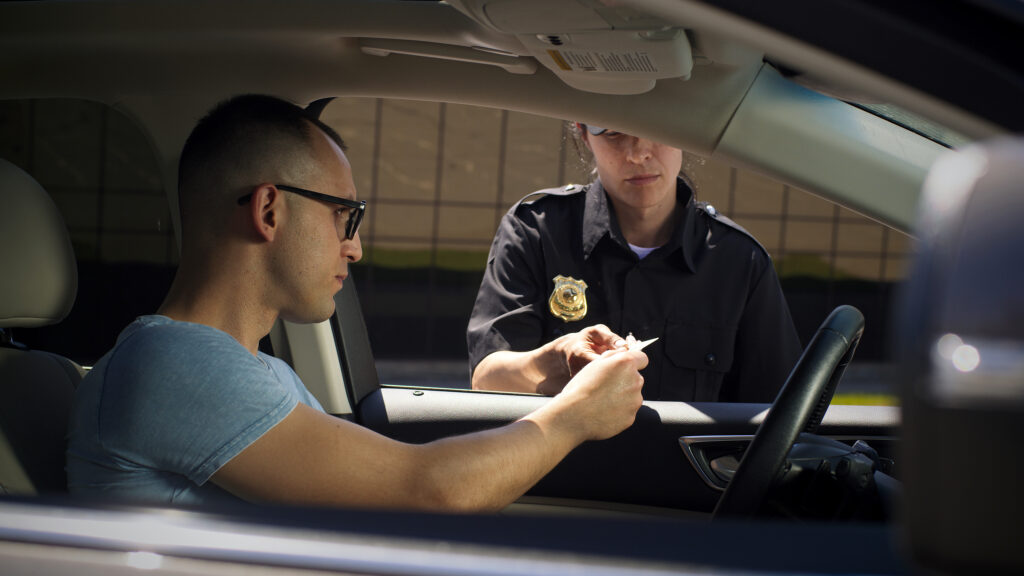
Many Texans are unsure whether they are legally required to show identification during police encounters. Questions like “Is Texas a stop and identify state?” or “What happens if I refuse to show ID?” are common and there are a lot of misunderstandings that come with questions like that. Knowing the law and your rights can prevent unnecessary legal trouble, avoid escalation during encounters, and protect you from charges such as “Failure to Identify.”
At Xavier Law Firm, our experienced criminal defense attorneys assist clients in Houston and across Texas with criminal defense, immigration, and civil matters. We provide guidance on what the law requires, help evaluate whether an officer’s request is lawful, and take action to protect your rights if charges arise. Knowing your obligations in advance is essential to ensure safety, minimize risks, and avoid legal complications.
Understanding “Stop and Identify” Laws
“Stop and identify” laws allow police officers in some states to request identification from individuals during certain stops. These laws differ across the United States, and compliance depends on whether the stop is investigatory, consensual, or involves probable cause. The primary purpose is to allow officers to identify individuals and investigate potential criminal activity.
In states with traditional stop and identify laws, individuals may be required to provide identification when an officer reasonably suspects involvement in criminal activity. However, Texas is not a traditional stop and identify state.
This distinction is important because misunderstanding your rights could lead to unnecessary charges or conflict during encounters. Being informed about your rights helps you respond calmly, protect yourself legally, and maintain control of the situation.
Is Texas a Stop and Identify State?
Texas is not a traditional stop and identify state. Police cannot require identification in all situations simply because they ask. Instead, legal obligations to provide ID arise only under specific circumstances defined by Texas law.
Texas Penal Code §38.02, also known as the “Failure to Identify” statute, outlines the limited situations in which refusing to identify yourself can result in legal consequences. Generally, police may request your name, address, and date of birth if:
- You are lawfully arrested
- You are driving a vehicle
- There is reasonable suspicion of involvement in criminal activity, and you refuse to identify yourself during lawful detention
Outside these situations, you are not legally required to provide identification during casual or consensual encounters. Understanding the limitations of this statute can prevent unnecessary charges and protect your legal rights.
When You’re Legally Required to Show ID in Texas
During a lawful arrest, individuals must provide their name, address, and date of birth when requested by law enforcement. Refusing can result in a “Failure to Identify” charge, which may carry fines or other penalties. It is important to comply during an arrest while still being aware of your right to legal counsel.
When detained on reasonable suspicion, police may request identification, but you are generally not required to provide it unless the officer has sufficient grounds to make an arrest. It is important to understand that reasonable suspicion allows for temporary detention, whereas probable cause is necessary for an arrest or search. Knowing this distinction can help you handle encounters appropriately and avoid escalating the situation.
Drivers in Texas must carry a valid driver’s license and present it to law enforcement when lawfully stopped for traffic violations or suspected DUI. Certain passengers may also be required to provide identification if police have reasonable suspicion that they are involved in illegal activity. Understanding your rights while driving helps prevent unnecessary citations and clarifies your legal obligations during routine traffic stops.
When You Can Legally Refuse to Show ID
Citizens who are not under arrest and are approached during a consensual encounter generally have the right to decline providing identification. A consensual encounter occurs when an officer approaches you without a clear legal basis to detain you.
Even when legally allowed to refuse, how you respond can impact the outcome of the interaction. Key considerations include:
- Remaining calm and polite at all times
- Asking if you are free to leave before providing any personal information
- Avoiding false statements or misinformation
- Keeping hands visible and avoiding sudden movements to prevent escalation
Exercising your rights responsibly can help maintain safety, reduce conflict, and protect you from potential charges.
Common Misconceptions About ID Laws in Texas
Several myths persist about identification requirements in Texas. Clarifying these misconceptions helps individuals avoid unnecessary legal trouble.
Myth: You must always show ID when police ask.
Reality: This is only required during lawful arrests or when driving a vehicle.
Myth: Refusing to show ID is always illegal.
Reality: Legal obligations depend on your detention status and the circumstances of the encounter.
Myth: Passengers must provide ID during traffic stops.
Reality: Only in limited situations, such as when police have reasonable suspicion of wrongdoing.
Understanding Texas Penal Code §38.02 is essential for navigating interactions with law enforcement and avoiding charges that could arise from a misunderstanding of the law.
Practical Tips for Police Encounters in Texas
Even if you are legally allowed to refuse identification, how you interact with law enforcement matters. Following practical steps can help protect your rights while minimizing risk:
- Remain calm, polite, and avoid sudden movements
- Ask if you are free to leave before providing any personal information
- Never provide false information, as lying to police is a separate offense
- Do not resist arrest even if you believe your rights are being violated
- Document the encounter by use mental notes or technology such as dash cams or your phone
These steps allow you to protect your legal rights, prevent escalation, and ensure a safer encounter with police officers.
How Xavier Law Firm Can Help Protect Your Rights
The attorneys at Xavier Law Firm in Houston have extensive experience defending clients facing charges related to identification or other police encounters. Our team helps individuals:
- Evaluate whether a stop or request for identification was lawful
- Protect against wrongful charges under Texas Penal Code §38.02
- Understand their rights during traffic stops, arrests, and investigatory detentions
- Develop strategies to minimize legal risk and potential penalties
Having an attorney who is well-versed in Texas law is critical when addressing police encounters. Xavier Law Firm advocates for your rights, ensures proper legal representation, and helps prevent minor encounters from turning into serious legal issues.
If you have questions about your rights during police interactions or are facing a “Failure to Identify” charge, contact us today at (281) 296-3741. Our Houston criminal defense attorneys provide knowledgeable, proactive representation to protect your rights and help you navigate Texas law with confidence. Being informed and prepared can make all the difference during any police encounter.